
Encourage Teamwork around a Three-Screen Children’s Activity Touch Table
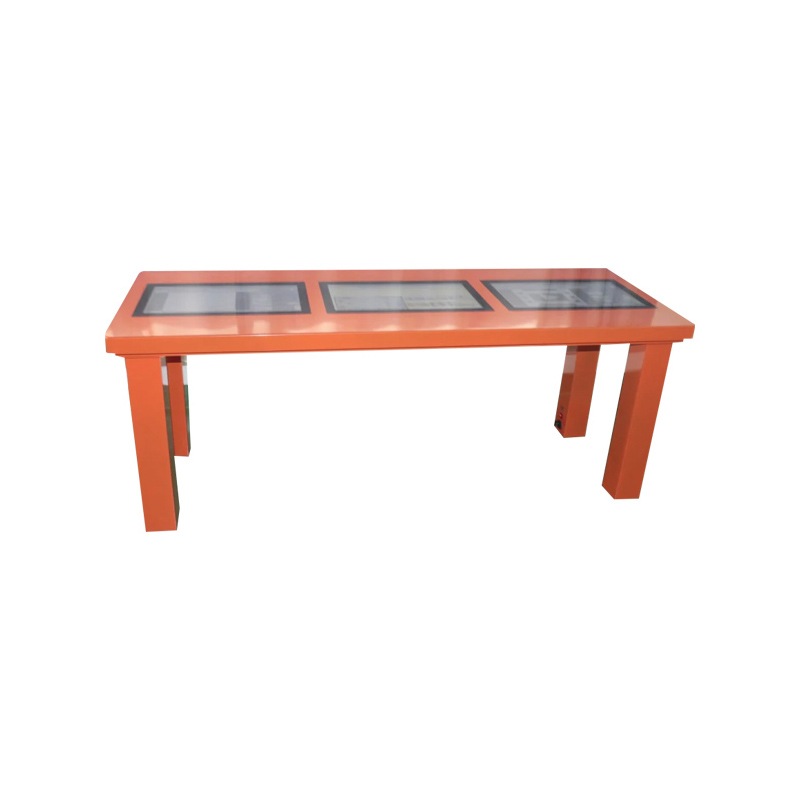
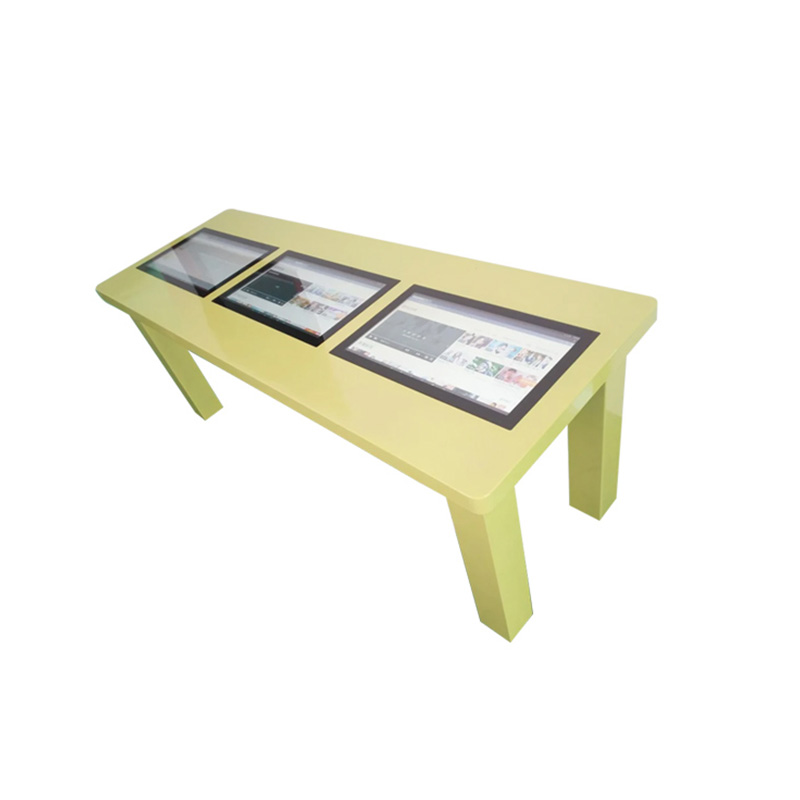
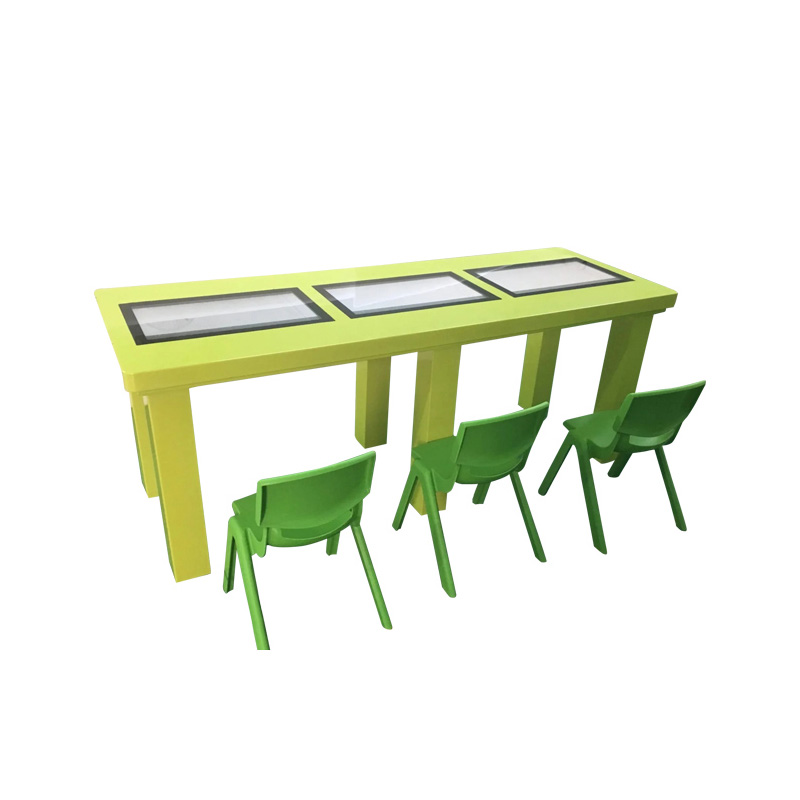
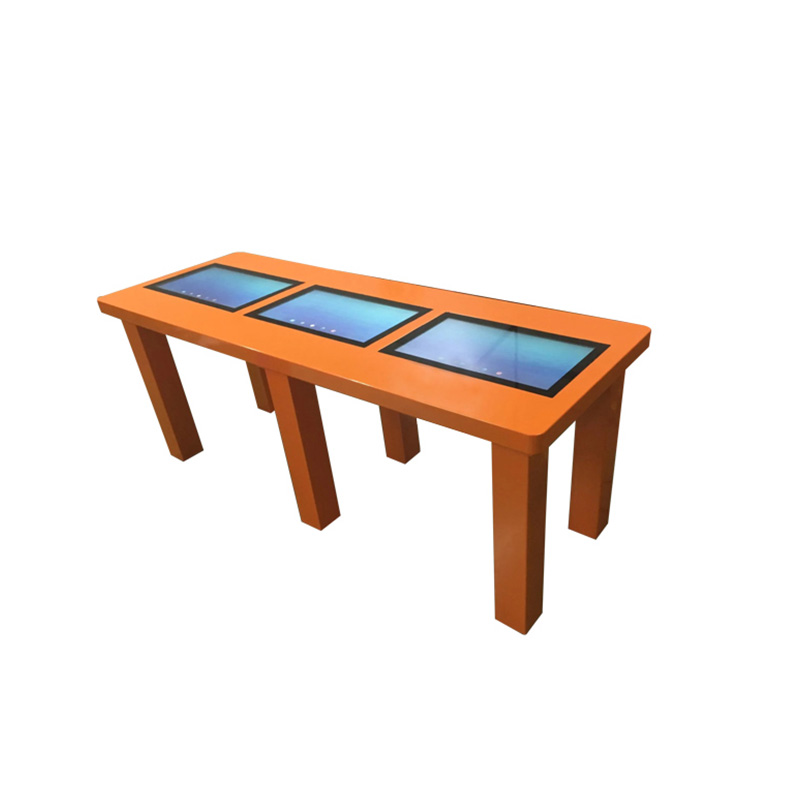
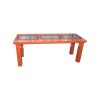
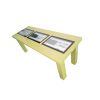
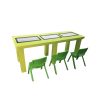
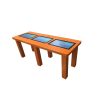
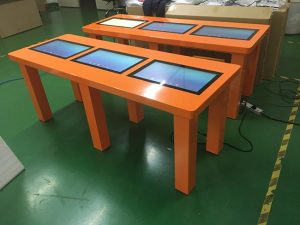
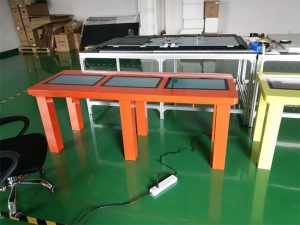
This 21.5×3-inch Children’s Activity Touch Table supports multi-station children’s activity through an approachable horizontal interactive format. ZXTLCD provides appearance customization, branding coordination, sample confirmation, engineering communication, and consistent batch production. Buyers can align the computing arrangement, compatible content, enclosure details, placement, and service expectations before approving quantity manufacturing for their commercial project.
Description
Participation Is the Primary Measure
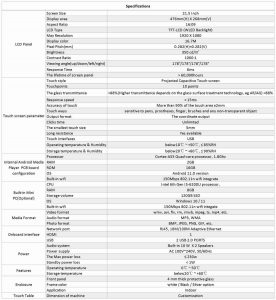
Children do not all learn at the same pace or in the same way, but a shared activity can give them a reason to communicate and cooperate. The Children’s Activity Touch Table gives kindergarten suppliers, children’s museums, learning centers, and family entertainment integrators a product format designed around multi-station children’s activity. The page specifies three 21.5-inch capacitive stations, a high-end computer, up to 40 touch points, multiple player modes, and education or entertainment use. Those facts provide the basis for a focused commercial story without adding unsupported performance claims.
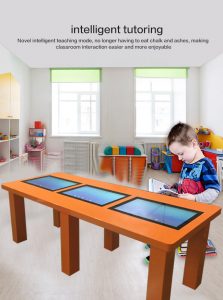
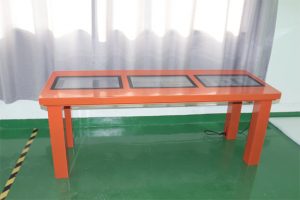
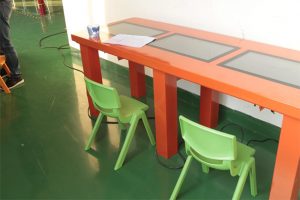
A single small device tends to place one child in control while others watch. The three-screen arrangement creates more reachable positions and supports activities in which participants can take roles, compare results, or work through separate stages of one task. In kindergartens, schools, museums, amusement venues, and supervised activity areas, the table can become part of the service or furniture plan instead of looking like a separate terminal placed wherever space remains.

Children’s Activity Touch Table: A Commercial Role Built around Multi-Station Children’S Activity
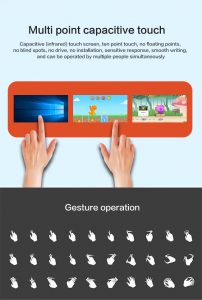
The page describes capacitive response, multiple player modes, and up to 40 touch points. Those capabilities can support compatible educational games, drawing, speech activities, and collaborative challenges when the content is selected for the intended users. A Children’s Activity Touch Table is most persuasive when the content reflects a real task rather than a generic looping demo. The buyer should therefore prepare representative media early enough to influence system choice and interface planning.
For children’s environments, buyers should evaluate reach, viewing angle, floor placement, supervision, cable management, and the surrounding circulation. The source also mentions adjustable tilt, so the approved physical configuration should be confirmed during sampling. This practical review connects the documented product form to the people, circulation, and maintenance expectations of the location.
Questions Project Buyers Often Raise
Should content be tested before quantity production?
Yes. Representative content helps stakeholders confirm navigation, readability, touch behavior, and the selected computing arrangement during sample review.
Can ZXTLCD coordinate branded appearance?
Appearance requirements such as color and logo treatment can be discussed and confirmed as part of OEM sample planning.
Test with Educators before Scaling
Schools and venue operators can review a sample with real learning software before quantity production. Educators can then judge response, readability, group behavior, and whether the computer configuration supports the planned applications. The Children’s Activity Touch Table can then be evaluated as a complete solution: physical form, touch experience, selected computing arrangement, compatible content, and supply plan.
ZXTLCD can discuss enclosure color, logo position, visual branding, computing configuration, packaging, and other confirmed OEM requirements. For the Children’s Activity Touch Table, sample approval should record the agreed appearance and core build so engineering, purchasing, assembly, inspection, and the buyer share one production reference. This supports consistency when the product moves into quantity manufacturing or later repeat orders.
Procurement teams should also define how success will be judged after installation. In kindergartens, schools, museums, amusement venues, and supervised activity areas, useful measures may include whether visitors understand the interface, whether staff can support the experience easily, whether the unit fits normal circulation, and whether approved content can be updated without changing the physical product. For kindergarten suppliers, children’s museums, learning centers, and family entertainment integrators, these operational questions are often more important than adding features that the project will never use. Keeping the acceptance criteria tied to the real application helps the supplier quote the right configuration, helps the buyer compare proposals fairly, and gives the final operator a product that is easier to explain, maintain, and reorder.
Commercial confidence also depends on communication after the concept is chosen. Project notes should cover power access, cable exit, service clearance, content responsibility, packaging expectations, and delivery sequence. Clear records help different buyer teams review the same decisions and reduce avoidable interpretation between sample testing and production. They also give distributors a stronger basis for presenting the product accurately to their own customers.
The most valuable outcome is not more screen time; it is better participation around a purposeful shared activity. A Children’s Activity Touch Table creates lasting value when the approved hardware and the intended user journey remain aligned from prototype through ongoing supply.
If you would like to get the specification about above product, or you hope to discuss your requirements or need any additional information on our this product , then please do not hesitate to send us a inquiry and contact our sales team now.
Related products
-
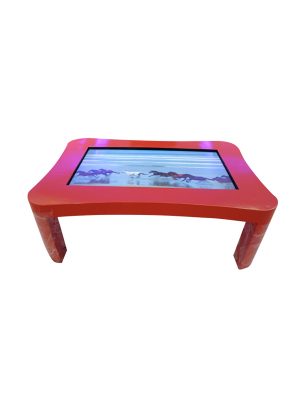
Children Learn through Shared Discovery on an Interactive Touch Screen Table
-
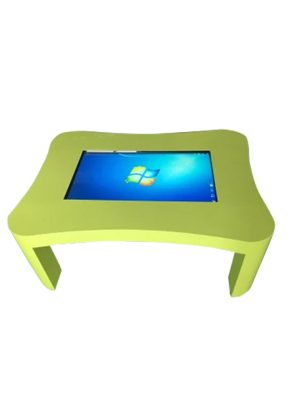
Turn Group Lessons into Shared Discovery with an Interactive Education Table
-
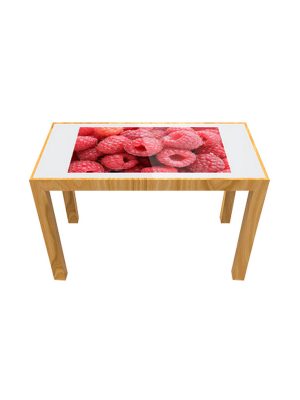
Move from Conversation to Visual Decisions on a Smart Touch Coffee Table
-
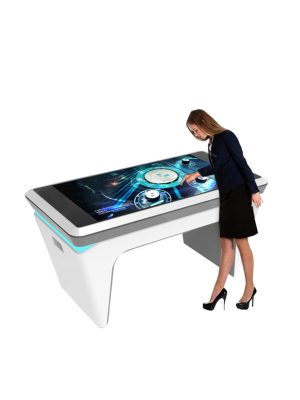
Let Customers Compare Real Products on an Interactive Product Display Table